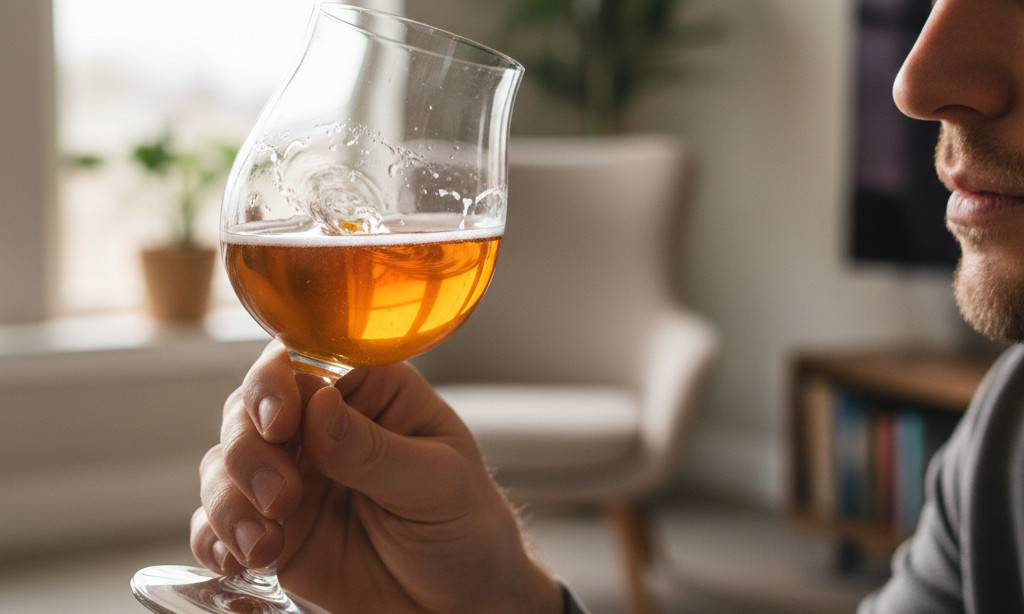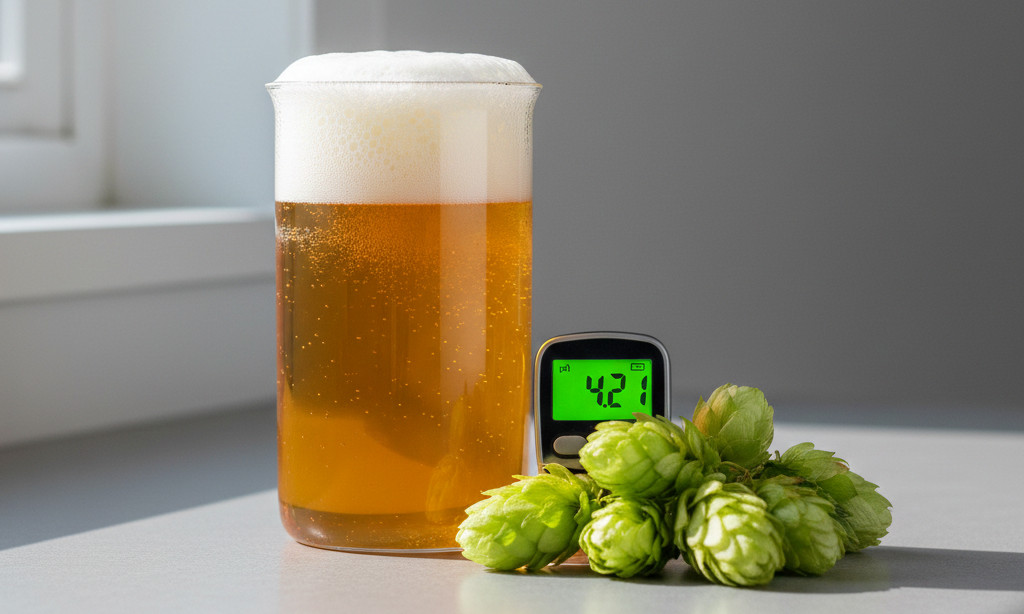
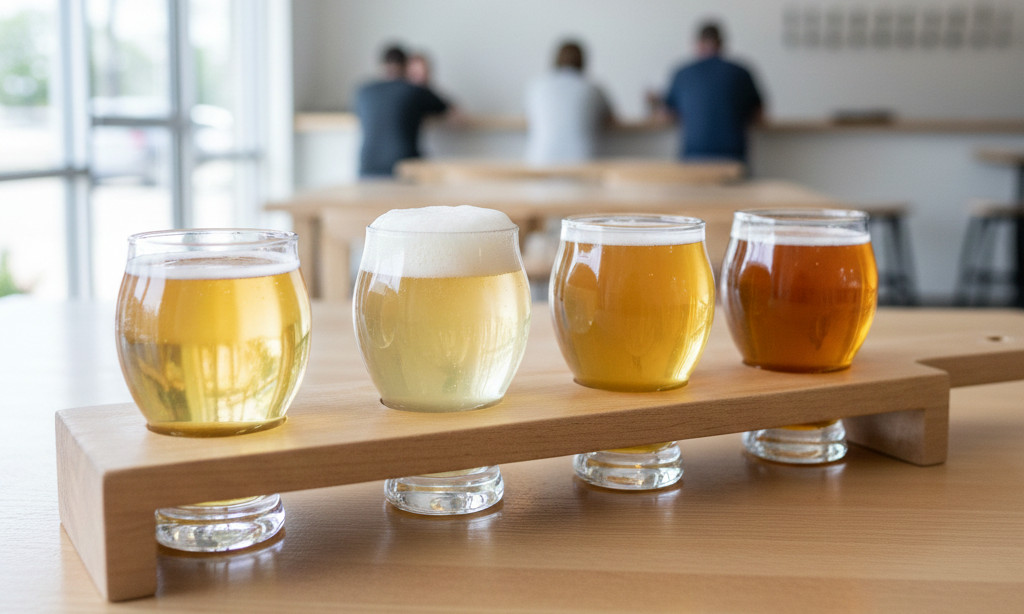
Walking into a craft beer bar for the first time can feel overwhelming.
Menus filled with unfamiliar names.
Strange abbreviations like IPA and ABV.
Beers described as “funky,” “hazy,” or “barrel-aged.”
If you’re new to beer, you might wonder:
Where do I even start?
The good news? You don’t need to jump straight into a double dry-hopped imperial IPA to enjoy craft beer.
You just need the right entry point.
What Makes a Beer Beginner-Friendly?
Not all beers are equally approachable.
For beginners, the best beers usually share a few characteristics:
- Lower bitterness
- Balanced sweetness
- Moderate alcohol (4–5.5% ABV)
- Clean, smooth finish
- Familiar flavors (bread, light malt, citrus)
Extreme bitterness, heavy alcohol, or sour funk can be exciting — but they’re rarely the best first step.
1️⃣ Start with Lagers
If you’ve ever had a mainstream beer, you’ve probably had a lager.
But craft lagers can be a completely different experience.
Why lagers are great for beginners:
- Crisp and refreshing
- Light to medium body
- Mild bitterness
- Easy to pair with food
Styles to try:
- Helles Lager
- Pilsner (German or Czech)
- Vienna Lager
These beers are clean and balanced, making them an ideal starting point.
2️⃣ Wheat Beers (Soft & Approachable)
Wheat beers tend to be smooth, slightly sweet, and refreshing.
They often have notes of:
- Banana
- Clove
- Citrus
- Light spice
Beginner-friendly wheat styles:
- Hefeweizen
- Witbier (Belgian-style wheat)
- American Wheat Ale
They’re flavorful without being aggressive.
3️⃣ Blonde Ales & Golden Ales
Blonde ales are one of the safest bridges from commercial beer into craft.
They typically offer:
- Light malt sweetness
- Gentle hop presence
- Soft mouthfeel
They’re familiar — but more interesting than standard light lagers.
4️⃣ Low-IBU Pale Ales
Not all pale ales are hop bombs.
Some modern craft breweries create pale ales designed to be:
- Fruity
- Aromatic
- Smooth
- Moderately bitter
If you’re curious about hops but don’t want intensity, look for:
- “Session Pale Ale”
- “Low IBU Pale”
- “Balanced Pale Ale”
Beers Beginners Might Want to Wait On
There’s nothing wrong with bold styles — but they can be challenging at first.
Consider postponing:
- Double IPAs (high bitterness + high alcohol)
- Imperial Stouts (very rich and heavy)
- Sour Ales (intentionally tart)
- Strong Belgian ales (high ABV)
You can absolutely grow into them later.
Understanding Bitterness (IBU)
IBU stands for International Bitterness Units.
As a general rule:
- 10–20 IBU → Very mild
- 20–35 IBU → Balanced
- 40+ IBU → Noticeably bitter
For beginners, staying under 35 IBU is usually a safe bet.
Alcohol Content Matters
Higher alcohol can:
- Amplify bitterness
- Increase warmth or “boozy” flavor
- Make beer feel heavier
If you’re starting out, look for:
4%–5.5% ABV
It keeps things smooth and sessionable.
How to Order Confidently
If you’re at a brewery or craft bar:
- Ask for something “low bitterness”
- Say you prefer “smooth and easy drinking”
- Mention if you like citrus, bread, or sweet flavors
Bartenders are used to guiding beginners.
No one expects you to know everything.
A Simple Beginner Path
Here’s a smart progression:
- Helles Lager
- Wheat Beer
- Blonde Ale
- Balanced Pale Ale
- IPA
That gradual shift builds your palate without overwhelming it.
Why Starting Smart Matters
Craft beer isn’t about proving toughness.
It’s about discovering flavor.
Starting with approachable styles increases the chance that:
- You’ll enjoy the experience
- You’ll explore further
- You’ll develop taste awareness
Jumping straight into extreme styles can do the opposite.
Summary Takeaway
The best beer for beginners is:
Low bitterness, balanced, moderate alcohol, and clean in flavor.
Start with lagers, wheat beers, or blonde ales.
Build from there.
Craft beer isn’t about intensity — it’s about exploration.
Question for You
What was the first beer you actually enjoyed — and why?
Soft CTA
Explore beginner-friendly styles, discover approachable breweries near you, and build your palate one sip at a time.