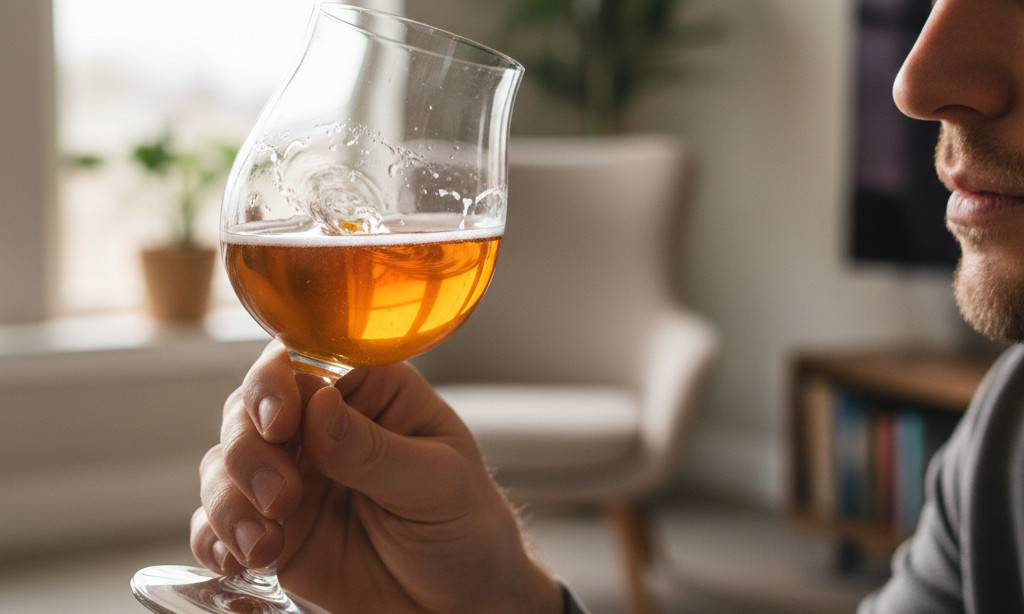
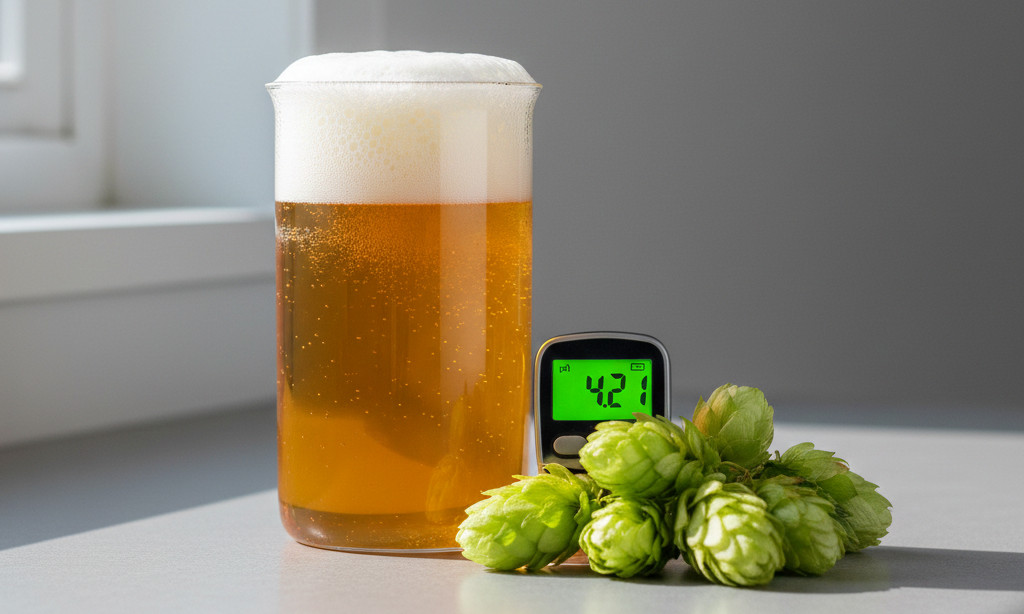
If you’ve ever looked at a craft beer label and seen “65 IBU” or “15 IBU,” you’ve encountered one of beer’s most misunderstood numbers.
IBU stands for International Bitterness Units.
It measures the concentration of bitter compounds extracted from hops during brewing.
But here’s the important part:
IBU measures potential bitterness — not perceived bitterness.
Let’s break that down.
What Does IBU Actually Measure?
During the boil, hops release compounds called alpha acids.
When heated, these acids convert into iso-alpha acids, which create bitterness.
IBU quantifies how much of that bitterness exists in the finished beer.
Higher IBU number = more measurable hop bitterness.
Lower IBU number = less measurable bitterness.
Simple in theory.
More complex in reality.
IBU Scale: What Do the Numbers Mean?
Here’s a practical range:
- 5–15 IBU → Very mild bitterness
- 15–30 IBU → Balanced and smooth
- 30–50 IBU → Noticeably bitter
- 50–70 IBU → Strong hop presence
- 70+ IBU → Aggressively bitter (theoretically)
But numbers alone don’t tell the whole story.
Why IBU Doesn’t Always Match Taste
Two beers can have the same IBU — and taste completely different.
Why?
Because bitterness is affected by:
- Malt sweetness
- Alcohol level
- Yeast character
- Residual sugars
- Carbonation
A beer with high malt sweetness can balance high IBU.
A dry beer with moderate IBU may taste sharper.
Perception matters more than the number.
Does Higher IBU Mean Stronger Beer?
No.
IBU measures bitterness — not alcohol.
Alcohol content is measured in ABV (Alcohol by Volume).
A beer can be:
- Low ABV, high IBU (session IPA)
- High ABV, low IBU (imperial stout)
They’re independent measurements.
Which Styles Have High or Low IBU?
Typically:
Low IBU Styles
- Helles Lager
- Wheat Beer
- Cream Ale
Medium IBU Styles
- Pale Ale
- Amber Ale
- Pilsner
High IBU Styles
- IPA
- Double IPA
- West Coast IPA
Again, balance matters more than raw number.
Should Beginners Worry About IBU?
If you’re new to craft beer, IBU can be helpful — but not decisive.
A better question is:
Do you enjoy bitterness?
If not, stay under 35 IBU at first.
As your palate develops, higher bitterness may become enjoyable.
Final Takeaway
IBU measures hop bitterness concentration.
But taste is shaped by balance.
Don’t chase numbers.
Chase flavor experiences.
Question for You
What’s the highest IBU beer you’ve enjoyed — and did it taste as bitter as you expected?
Soft CTA
Explore beers across the bitterness spectrum and discover how balance changes everything.